Create test plans and test suites to track manual testing for sprints or milestones. That way, you can see when the testing for a specific sprint or milestone is complete. For more information about manual testing,
What are the test plans, test suites, and test cases?
Azure Test Plans or the Test hub in Azure DevOps Server provides three main types of test management artifacts: test plans, test suites, and test cases. These elements are stored in your work repository as special types of work items. You can export and share them with your team, and benefit from close integration for all of your DevOps tasks.
- Test plans group test suites and individual test cases together. Test plans include static test suites, requirement-based suites.
- Test suites group test cases into separate testing scenarios within a single test plan. Grouping test cases makes it easier to see which scenarios are complete.
- Test cases validate individual parts of your code or app deployment. You can ensure your code works correctly, has no errors, and meets business and customer requirements. You can add individual test cases to a test plan without creating a test suite, if you wish. More than one test suite or test plan can refer to a test case. You can effectively reuse test cases without needing to copy or clone them for each suite or plan.
For example, you’re building version 1.* of your product and you might create several test cases for that version. Each of these test cases can be updated, and more added, at any time. For each development cycle and release of your product, you create a test plan and import the existing test cases into that plan. You can also, if you wish, divide the test cases into separate test suites within the plan to enable easier management and monitoring of these separate sets of test cases.
After you create your test plan, you assign test configurations and assign testers to cover the required test matrix. These testers run the tests and gauge the quality of the product. Testers continue testing until the product meets exit criteria. For the next development cycle and release, you can create a new test plan and reuse the same test cases. You repeat this development-test-release cycle by importing the same test cases into each new test plan.
Get hands-on experience on Azure DevOps test plans from live experts at DevOps Online Training Hyderabad
The great thing is that, because test plans refer to test cases, updates to a test case automatically reflect in all the test plans and test suites that use it.
Create a test plan
If you want to use Azure Test Plans, and haven’t done so already, sign up for Azure DevOps Services.
You need a project. For more information, see create your project. Then create your backlog.
- In Azure DevOps Services or Azure DevOps Server, open your project and go to Azure Test Plans or the Test hub in Azure DevOps Server. If you already have a test plan, choose Test Plans to go to the page that lists all test plans.
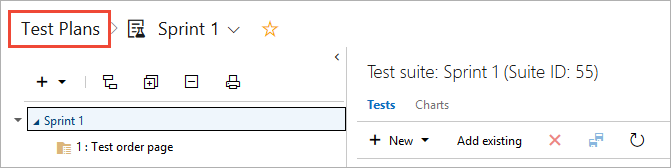
- In the Test Plans page, choose New Test Plan to create a test plan for your current sprint.
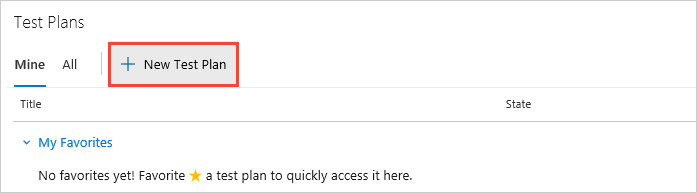
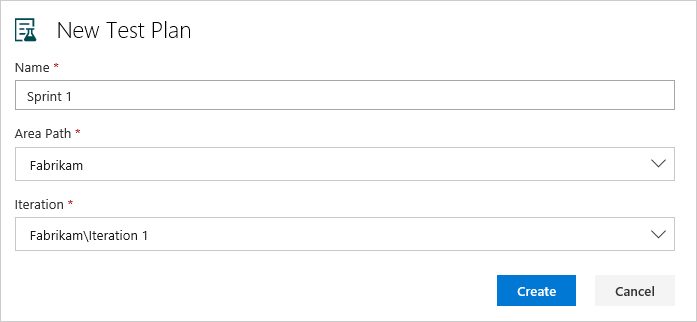
- In New Test Plan, enter a name for the test plan. Verify that the area path and iteration are set correctly, then choose Create.
Add a requirement-based test suite and select backlog items to test
Now add test suites for the backlog items that need manual tests. These tests could be user stories, requirements, or other work items based your project.
- To add a suite to a test plan, select the + new drop-down list and choose a type of test suite.
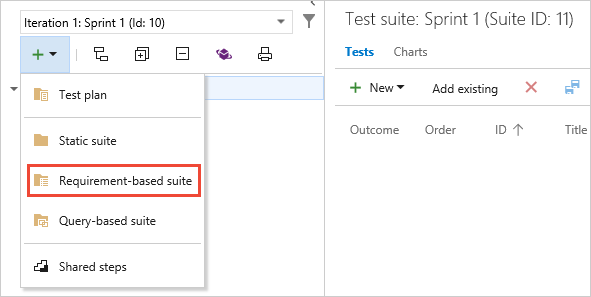 You use requirement-based suites to group your test cases together. That way, you can track the testing status of a backlog item. Each test case that you add to a requirement-based test suite is automatically linked to the backlog item.
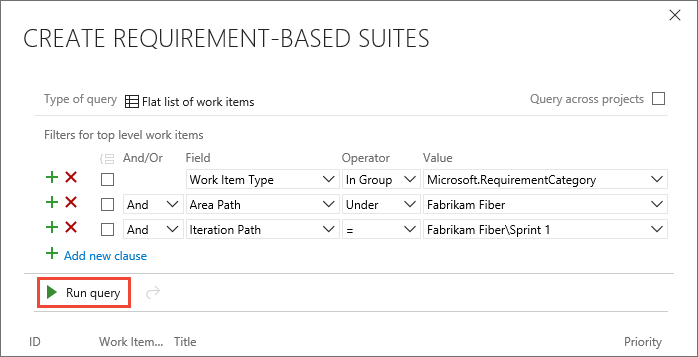
 - In Create requirement-based suites, add one or more clauses to filter your work items by the iteration path for the sprint. Run the query to view the matching backlog items.
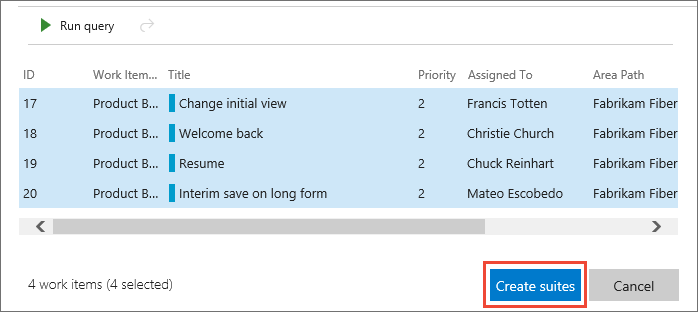
- In the list of work items returned by the query, select the backlog items you want to test in this sprint. Choose Create suites to create a requirement-based suite for each one.
Find a test case in a test plan
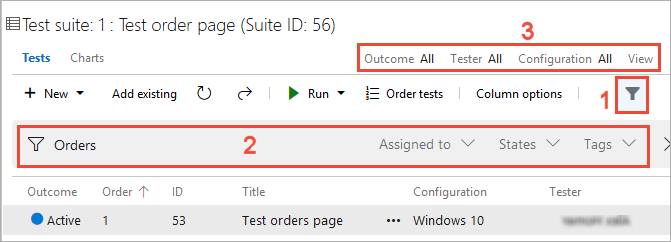
In Test Plans for your test plan, use the  filter icon (1) to show the search and filter lists (2) that help you find the tests you want to work with. Or filter the list of tests using Outcome, Tester, and Configuration (3).
Know more information from live experts at DevOps Online Training India
 Linux updates